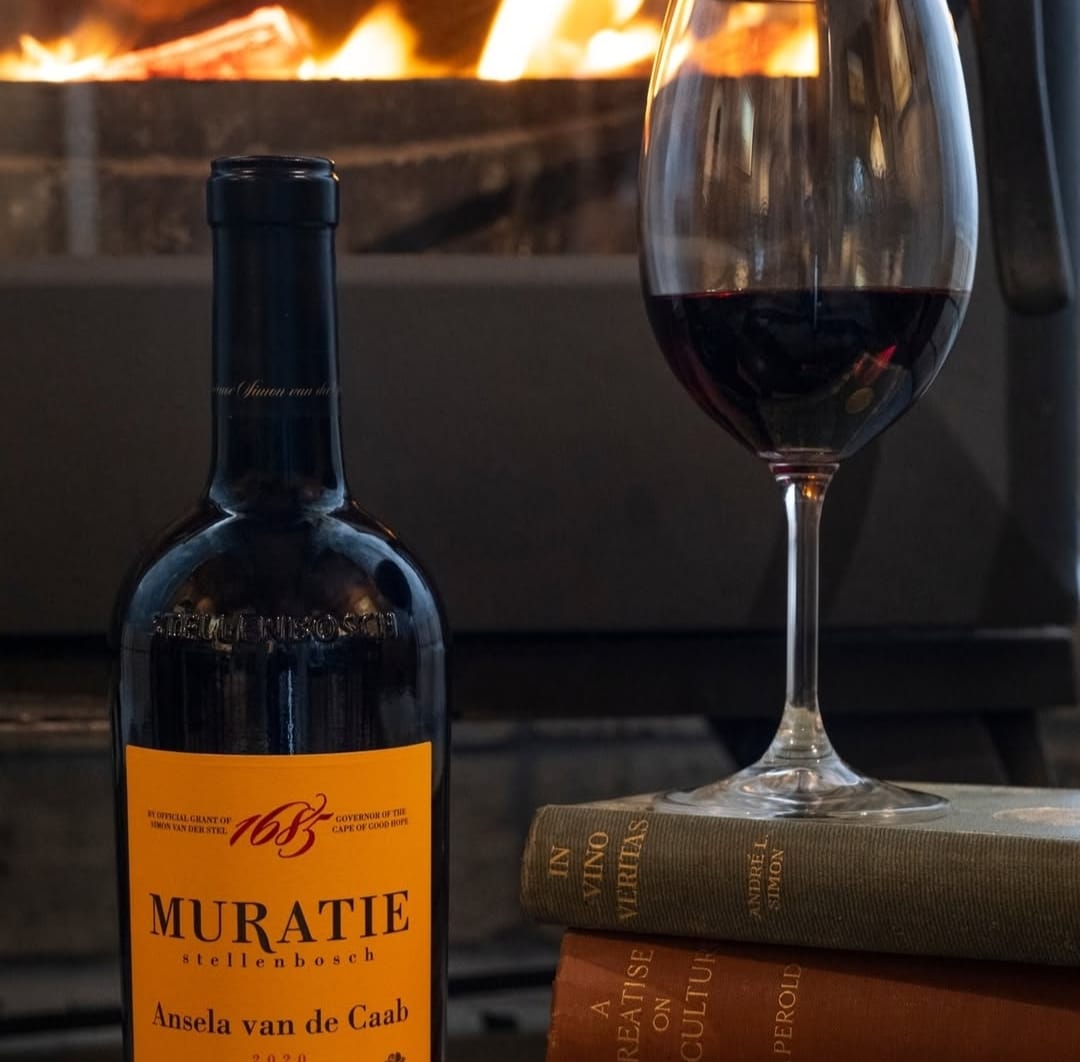
The global wine industry is undergoing a renaissance, as discerning drinkers seek out more than just a glass—they’re searching for a story, a place, and a deeper experience. With a growing appreciation for heritage, and sustainable farming, today’s wine enthusiasts are trading anonymous mass production for estate-grown character, eager to explore the landscapes and legacies that give each bottle its soul. Across established and emerging regions, wineries are opening their doors not only as producers, but as stewards of community, culture, and the land itself. Amid this evolving landscape, Muratie Wine Estate in the heart of Stellenbosch stands as a testament to both history and heart. Established in 1685, Muratie weaves a tapestry of romance, resilience, and artistry into the fabric of every vintage. From its centuries-old manor house to vineyards planted on stories of freedom and ingenuity, Muratie offers visitors more than wine—it invites them to step into living history. Guided by generations of visionaries and artists, and still fiercely loyal to authenticity and conscious stewardship, the estate remains a place where time slows, creativity flourishes, and the essence of the Cape winelands can be tasted in every glass.
Legacy of Artists, Rebels, and Wine Visionaries
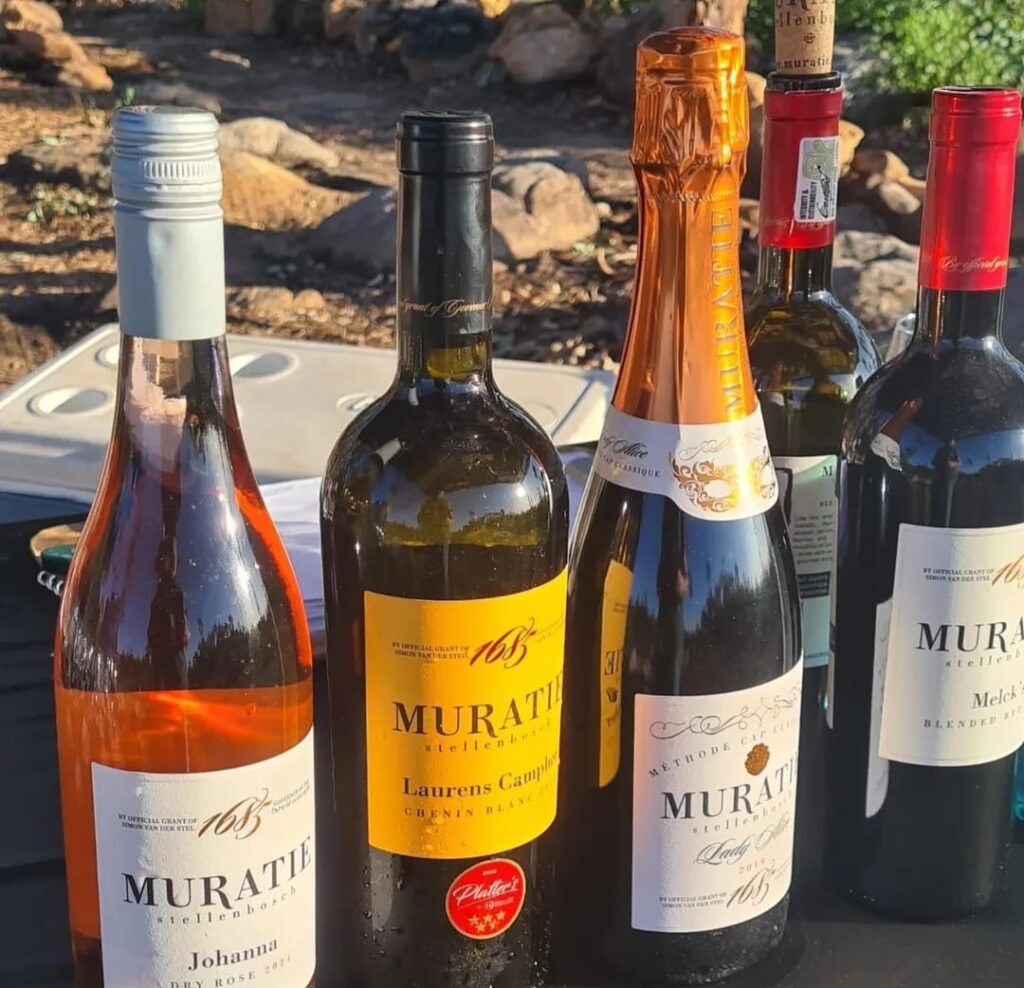
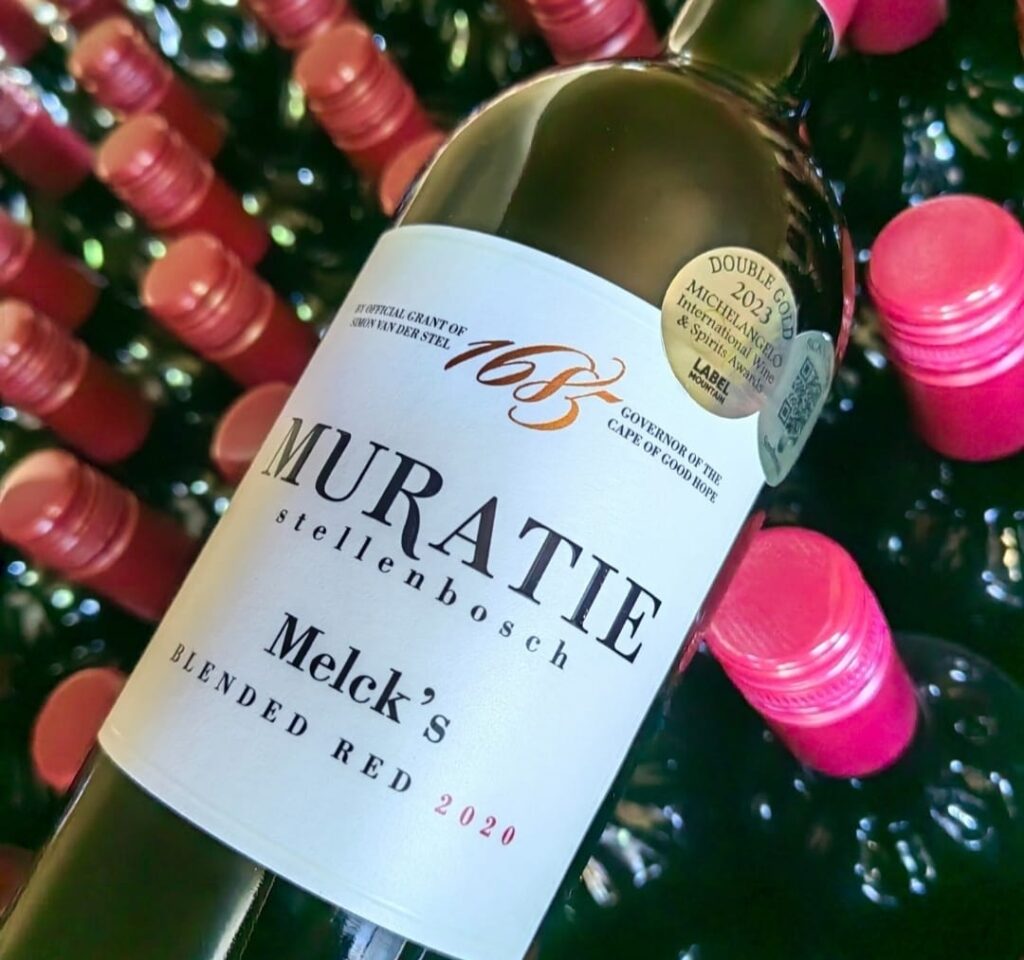
Over the centuries, Muratie became a gathering place for artists, winemakers, poets, and rebels—each leaving behind a story as complex as the wines themselves. During the 20th century, the estate was famously owned by Georg Paul Canitz, a painter, bon vivant, and one of South Africa’s Pinot Noir pioneers. His daughter, Annemarie Canitz, known for painting barefoot in the vineyards with a glass of Shiraz in hand, inherited both the farm and his artistic flair. Her legacy lives on in every creative corner of the property—from the richly adorned tasting room to the playful, expressive wine labels that carry names like Isabella and Ronnie Melck. In 1987, the estate was purchased by Dr. Rijk Melck, a passionate wine lover and conservationist who ensured that Muratie’s soul would remain intact while elevating its production to global standards. Today, the Melck family continues to guard and grow that legacy, blending old-world charm with modern winemaking techniques, all while preserving the estate’s rustic authenticity. You won’t find polished marble or glass facades here—just honest architecture, dusty wine barrels, and a welcoming fire burning through the cold Stellenbosch winters.
Crafting Wine with Soul, Sustainability, and Storytelling
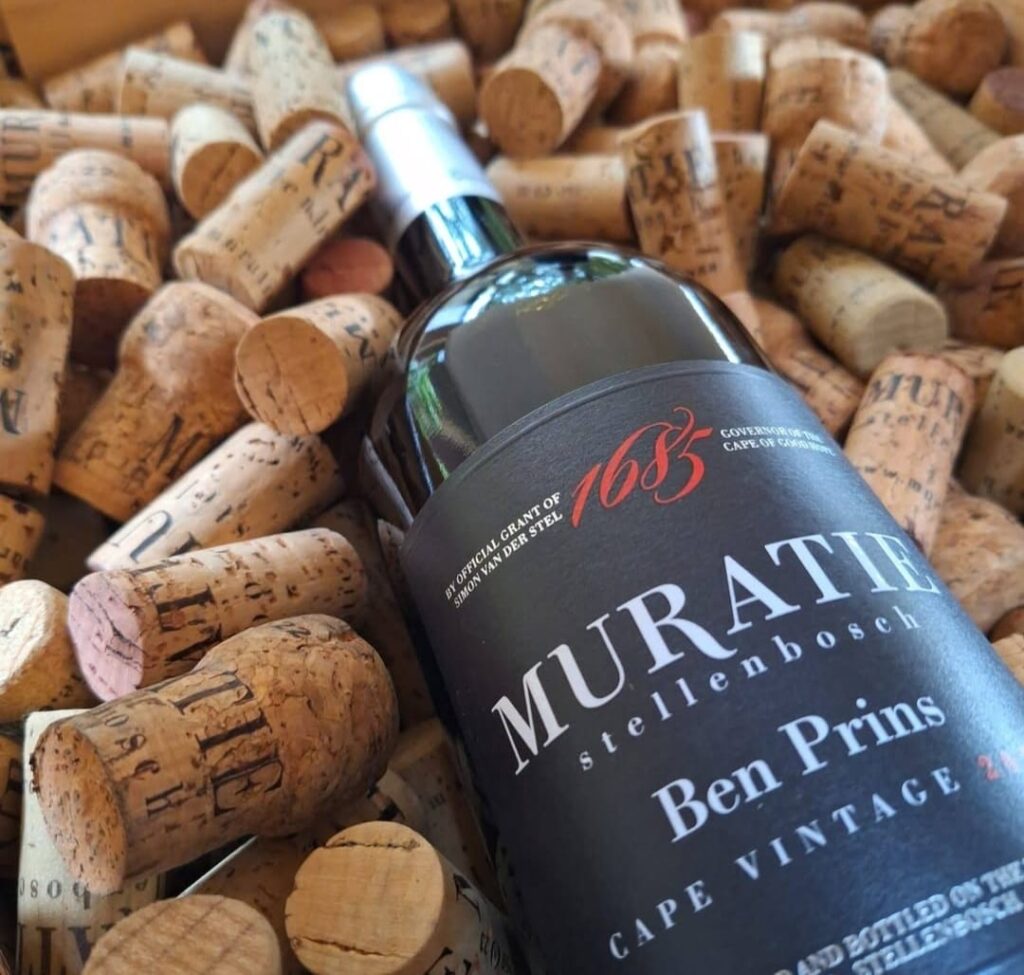
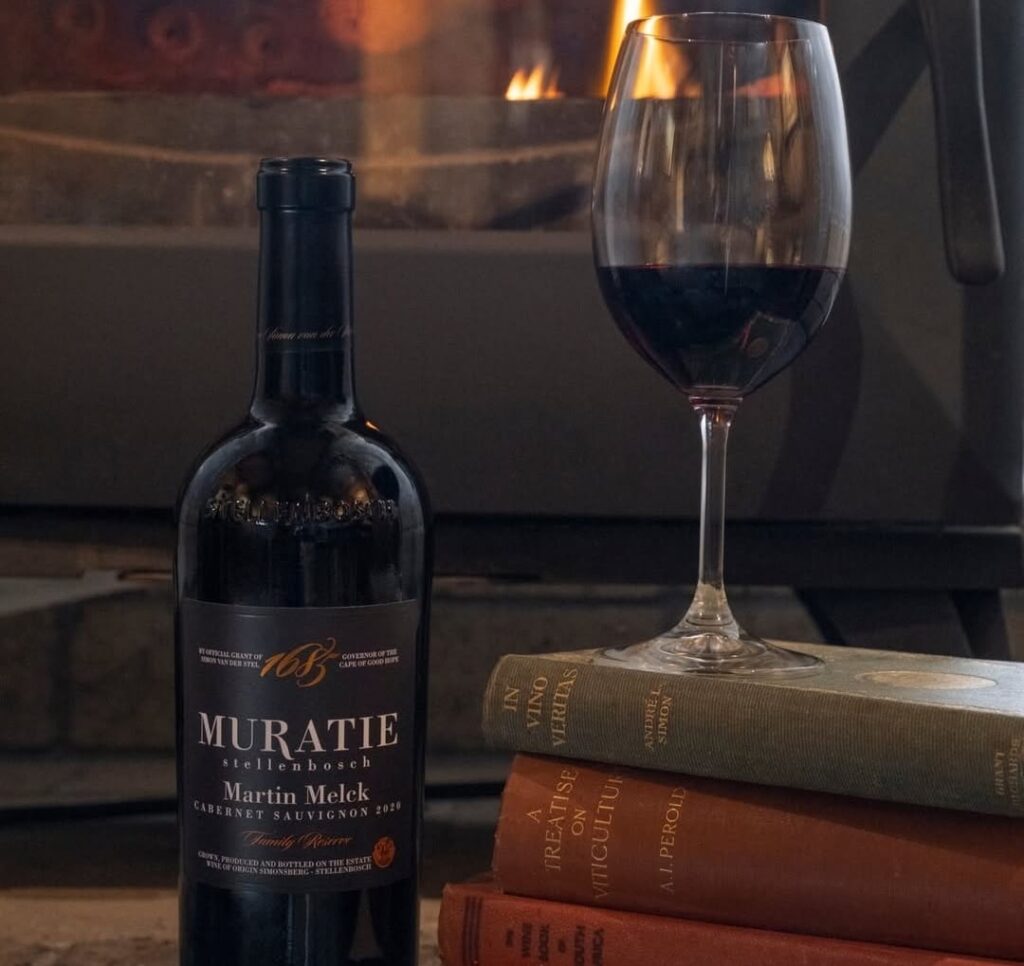
Muratie is more than a wine estate—it’s a full-bodied expression of storytelling, craftsmanship, and conscious stewardship. Every decision made on the farm is guided by a philosophy of respect—for the land, for history, and for the people who nurture it. The estate’s vineyards are dry-farmed to preserve water, and minimal intervention practices allow the true character of the grapes to shine. With diverse microclimates and some of the oldest Cabernet Sauvignon and Pinot Noir vines in the country, Muratie produces wines with depth, structure, and undeniable identity. But beyond the wine itself, Muratie creates connection. Visitors are invited to linger, not rush—whether it’s enjoying a rustic lunch under ancient oaks, attending a jazz concert in the old fermentation cellar, or wandering through an art gallery carved into the estate’s walls. Events like the annual Harvest Festival and summer wine picnics draw both locals and global travellers, all seeking a deeper, more meaningful wine experience. Muratie is where time slows, where stories pour as freely as wine, and where the past is not forgotten—it’s tasted, felt, and shared. Every bottle is a tribute not just to the vine, but to the vibrant, imperfect, beautiful human stories that made it possible.
To know more visit:
Instagram- https://www.instagram.com/muratiewine
Website- https://www.muratie.co.za
To read more articles visit- https://thebusinessjournal.co.za